18 August 2026
7 Proven Tips to Help Your Child Learn English
- bahasa-inggris
- tips
- anak
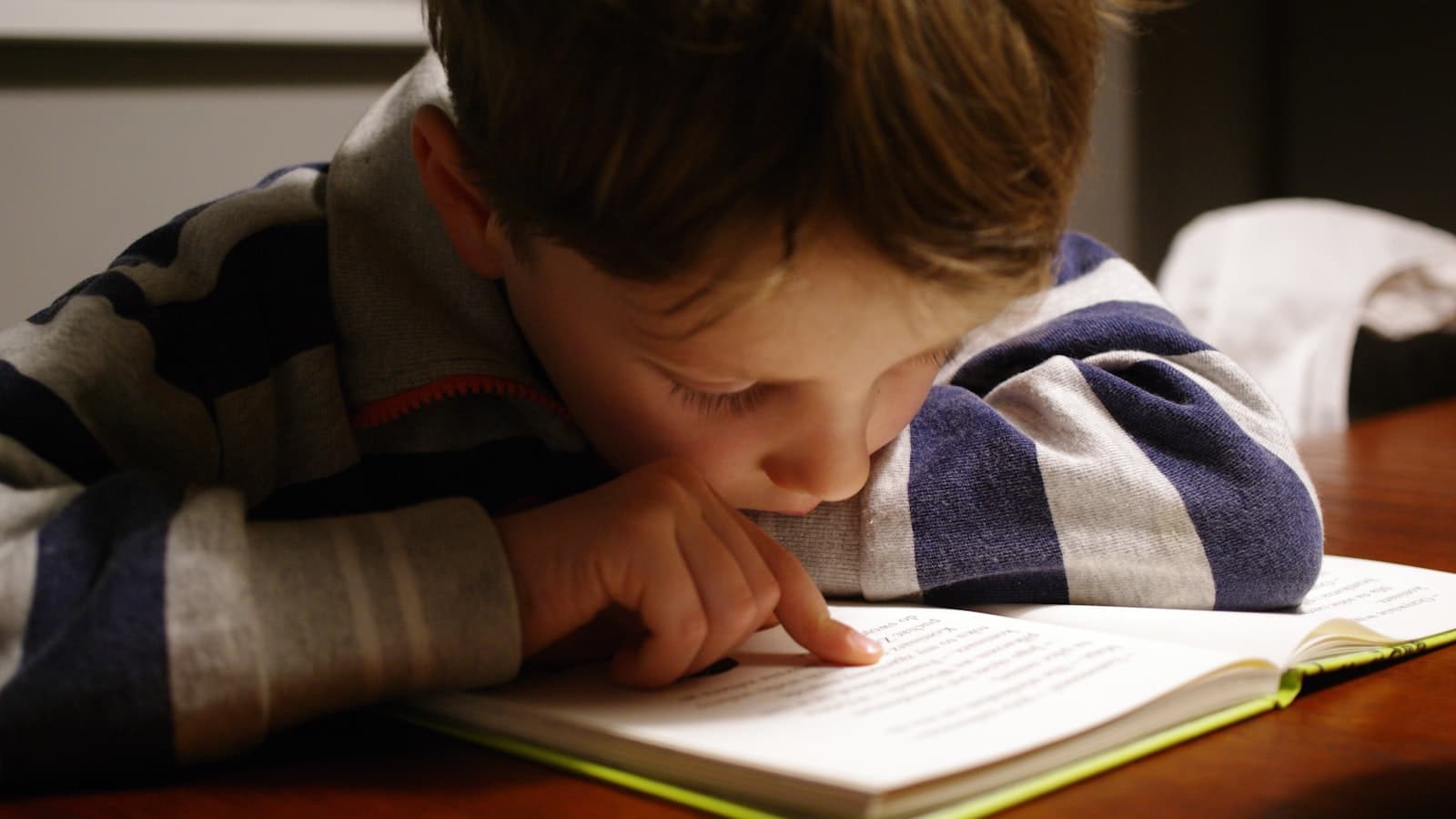
Parents in Bekasi often ask us: "How do I get my child to want to learn English?" After nearly three decades of teaching thousands of children since 1997, our answer is always the same: children don't need to be forced to learn English. They need to enjoy it.
Here are 7 tips to help your child learn English that we practise every day in class, and that you can apply at home.
1. Start with what your child loves
A child who loves dinosaurs will learn tyrannosaurus faster than table. Use their interests as the doorway: watch videos, read books, or play English-language games about their favourite topics. Internal motivation lasts far longer than rewards.
2. Make English a routine, not a lesson
Fifteen minutes every day beats two hours every weekend. Simple routines that work:
- Naming household objects in English over breakfast
- One English song on the way to school
- One short storybook before bed
A child's brain absorbs language through consistent repetition, not marathon sessions.
3. Let mistakes happen: don't correct on the spot
This is the most common mistake we see. When a child says "I goed to school", parents jump in: "Wrong! It's went!" Over time, the child becomes afraid to speak at all. Instead, simply repeat the sentence naturally in its correct form: "Oh, you went to school? That's great!" Children pick up the pattern without feeling judged.
4. Watch English shows and skip the dubbing
Swap dubbed shows for the original English versions, subtitles allowed. Ears exposed to authentic English sounds from an early age find it much easier to reproduce accurate pronunciation. Start with shows your child already knows by heart.
5. Give them a stage, not pressure
At VEC we run a programme called the Student's Participation Card: every time a student plucks up the courage to greet and speak English with a teacher, they earn a signature, and more signatures mean bigger recognition. The same principle works at home: celebrate every brave attempt to speak, however small.
6. Learn with peers
Language is a social tool. Children who learn in small groups with friends their age simply speak more, because English stops being "a subject" and becomes "how we play together". This is why good language classes are deliberately small and interactive.
7. Get the level right
A child placed in a class that's too advanced loses confidence; too easy, and they get bored. Both kill the joy of learning. Before choosing any course, make sure there's a placement test that measures your child's real ability.
When is the right time to start a course?
If your child is showing interest, or starting to fall behind in school English, that's the moment. At Victory Education Centre's English courses in Kemang Pratama, Bekasi, every child starts with a free placement test, so they learn at exactly the right level, from kindergarten through senior high.
Contact us to book a free placement test, or drop by and see a class in action.